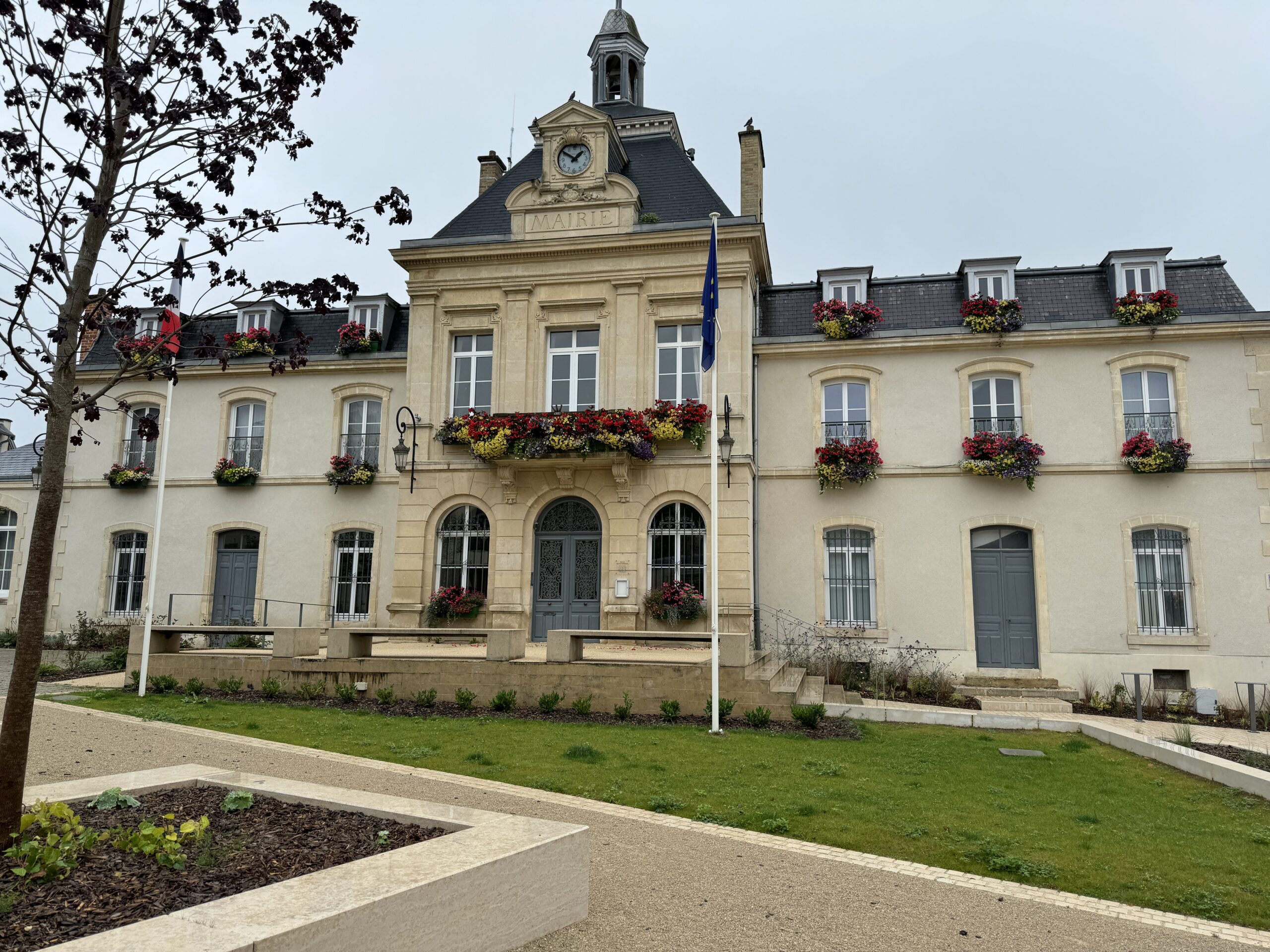
One of my favorite parts of going over to Paris is the inevitable day trip I take to the Champagne region. With a direct train from Gare de l’est to Reims and Epernay, and tons of producers to taste, there’s no reason not to go out for the day. If planning is not your thing, there are plenty of tours to take but I recommend finding a few small (or big!) champagne houses you want to visit and make reservations beforehand.
Getting There
Getting to the champagne region from Paris is quite easy. You will need to get to one of the bigger train stations, Gare de l’est. From there, you will hop on the TGV (France’s national rail line) to Reims, or the TER (the regional train) to Epernay. The ride from Gare de l’est is about 45 minutes, and to Epernay is around 75 minutes. Tickets are about $50-70 round trip per person, and it’s significantly faster to take the train than a car. You can easily book tickets here; I recommend booking in advance if you are going from June to August (high tourism season). If you haven’t spent a lot of time in European train stations I HIGHLY recommend getting to Gare de l’est at least 20 minutes (30 if you don’t regularly take public transportation) before your train leaves so you can find the regional train area of the station and get on the train without rushing.
Where to Go
This list is not even close to exhaustive – I dream of spending a week in the champagne region one day, but until then, here are the places I’ve visited and enjoyed!
Epernay
Breakfast: Matin Gourmand
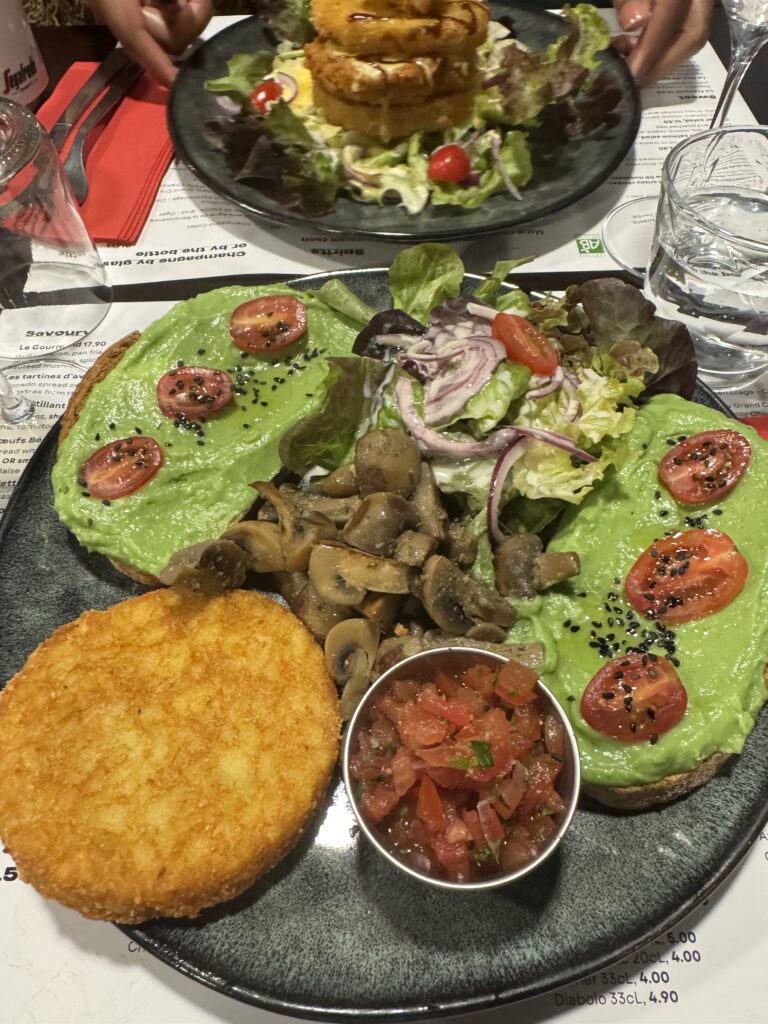
Even though breakfast is not my favorite meal, I recognize the importance of having a substantial breakfast prior to a day of drinking champagne. Matin Gourmand is a great place to go with a group – there are multiple tables that can be combined for groups of 6-8. We started off with a Blancs de Blanc and all ordered hearty breakfasts that kept us full throughout the day. The waiter was hilarious and the service was prompt. There are options for meat eaters and vegetarians and it’s just a 10 minute walk from the Epernay train station. Highly recommend!
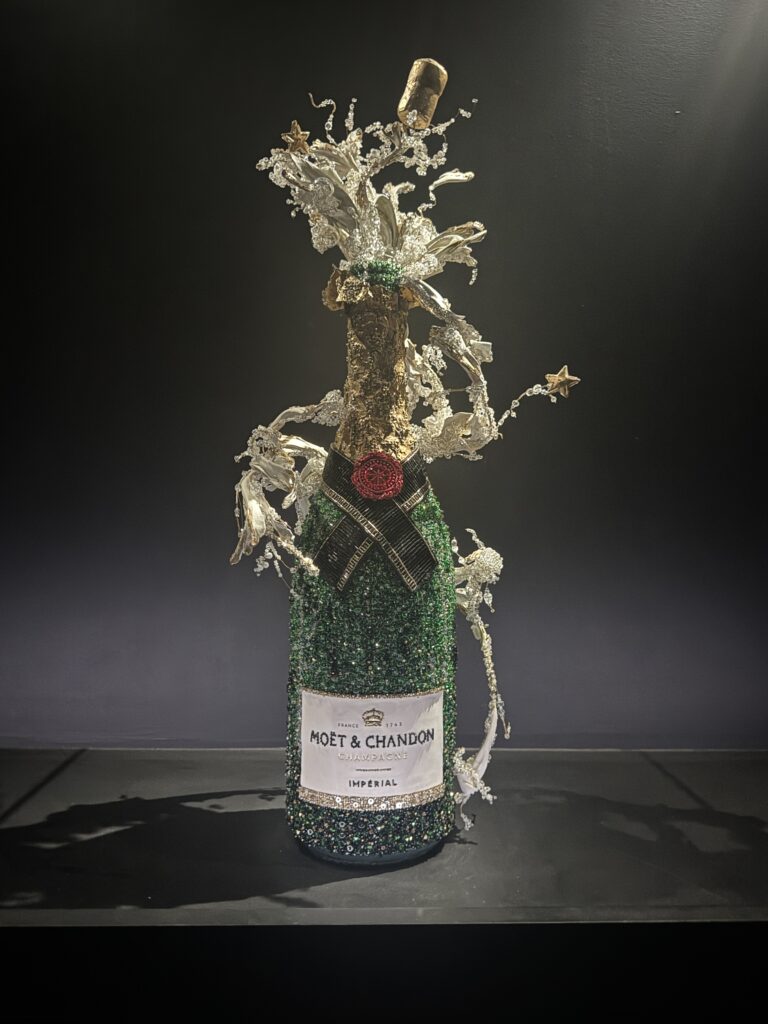
Avenue de Champagne: This iconic avenue features many of the well-known champagne houses: Moët & Chandon, Pol Roger, and Perrier Jouet. As my friends had never been to the region before, we decided to go to a big champagne house and chose Moët & Chandon. While most people who are close to me know that I’m not a huge Moet fan, the tour was nicely done. There is a small art museum in the champagne house and the cellar is spectacular. We did the imperial tour, which includes an hour tour and about 30 minutes of a tasting at the end. There are two glasses of champagne included: the brut and rose imperial cuvees. The tour cost about $55 USD. There are multiple tours and experiences included at many of the big champagne houses and worth a visit for anyone who is not as interested in the champagne itself, or for anyone’s first time to the region!
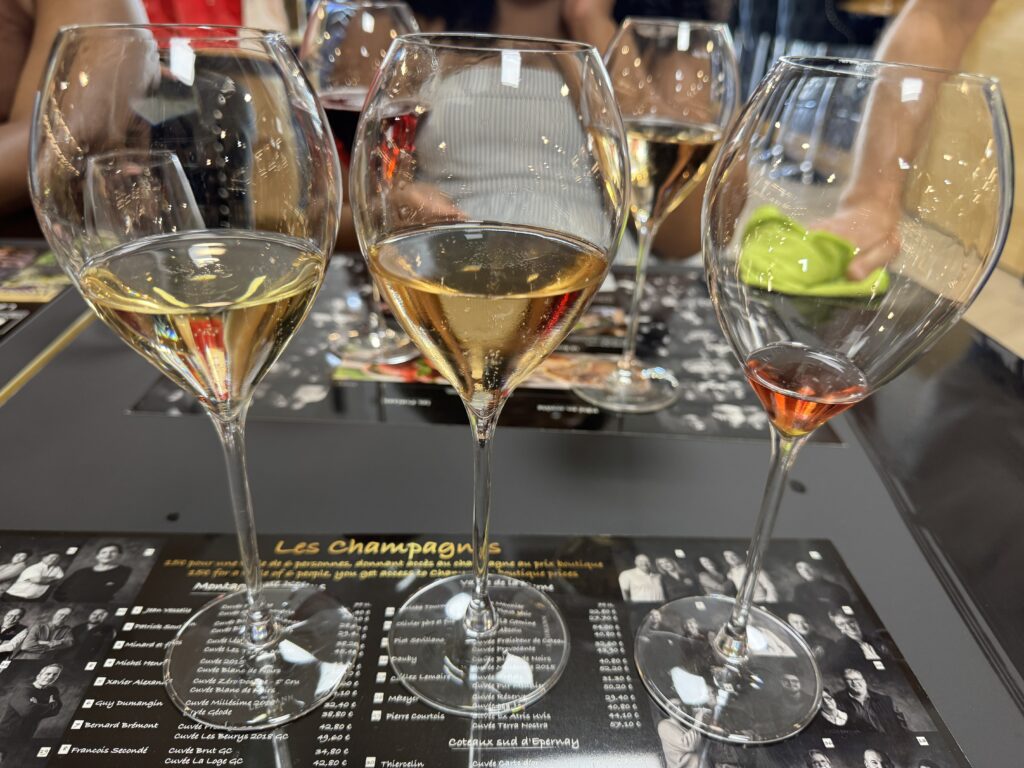
Comptoir des Vignerons de Champagne: If you are only doing a half day in Epernay, it likely won’t be possible to go to two champagne houses. However, there are multiple restaurants and cooperatives that sell AMAZING selections of champagne. We had about 90 minutes after the Moët tour before we had to get on the train back to Paris, so we stopped by this amazing wine shop, Comptoir des Vignerons de Champagne. It is a wine store that features over 40 independent champagne producers in the region. This is particularly exciting because these producers are usually featuring more Pinot Meunier, and a lot more expressive wines than you may find at a big house. The owners are extremely knowledgeable and so friendly and the tastings are reasonably priced. Please stop in and support smaller producers – they are the heart of the region.
Reims
Taittinger: I have only been to Reims once in my 20s with some friends from college. However, our visit to Taittinger has stayed with me – the house is beautiful and the caves are expansive (I’ll never get tired of going down to the deep cellars). The entry level tour and tasting at Taittinger starts at about $45 USD with various experiences and tastings listed on the website.
Rilly La Montagne
Last but not least is Rilly La Montagne. A friend and I ended up here as a reprieve from the city during the 2024 Paris Olympics and we fell in love with the area. While the Montagne de Reims region is known for the production of Pinot Noir, there is significant diversity in the soil and landscape allowing the region to also grow delicious Pinot Meunier (and chardonnay).
Daniel Dumont: We started off at Daniel Dumont, a small but well known champagne producer in Rilly La Montagne. The tour was with another small group and we toured the caves/ cellar. In comparison with the big champagne houses, the tour felt much more intimate and personalized. Additionally, though we only planned to taste three champagnes, we were given small tastes of different cuvees when he heard about my obsession with Pinot Meunier. The tour and tasting itself was about $25 and lasted for a little over an hour. I can’t express enough how welcoming and friendly the tour was – we each bought three bottles to bring home as it’s much more difficult to obtain wine from smaller producers in the United States. I opened a bottle last month and it was just as delicious as I remembered!
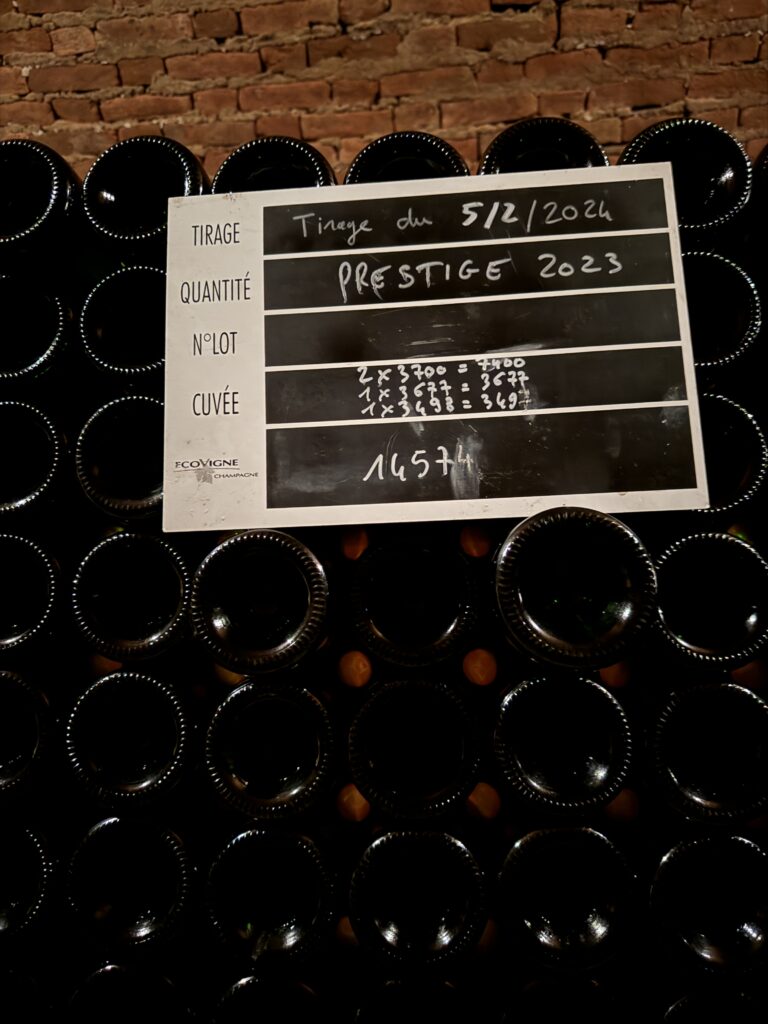
Prise de Mousse: After our first tasting, we were hungry but luckily found Prise de Mousse, a restaurant that focuses on a diverset champagne list as well as locally sourced foods. We split a cheese board and salad and then tasted through a few champagnes. I recommend finishing the meal with a ratafia champenois, a sweet wine which uses local grape must and grape (Champagne) brady. I was really impressed by the ratafias we tried and it’s honestly a nice drink to split amongst the table prior to moving on to your next tasting.
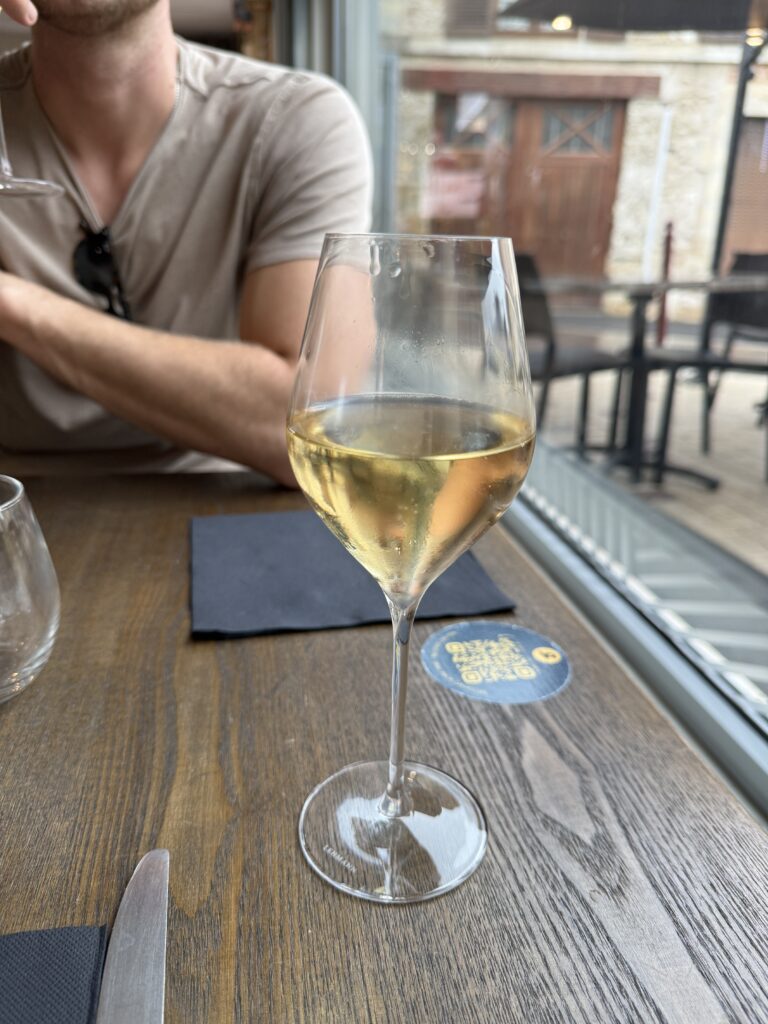
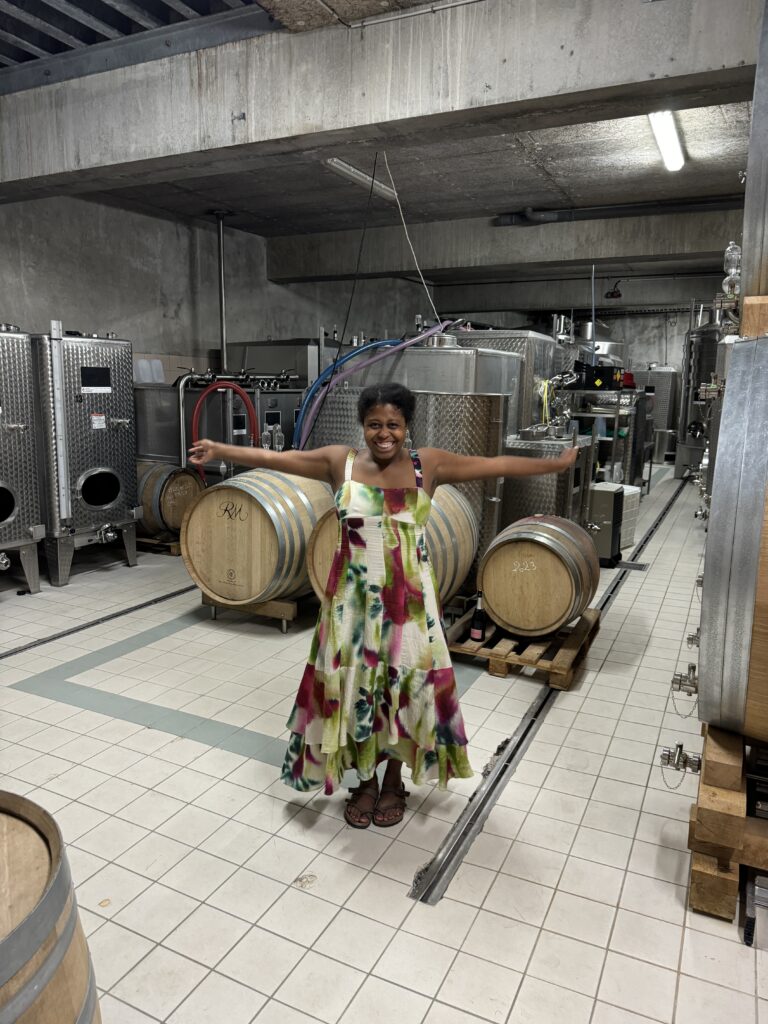
Roger Manceaux: We visited Roger Manceaux next, a small champagne house owned by a 5th generation winemaker (the house is named after Patrick’s father, Roger). While the tour was short, it was great to see and learn more about the mechanical aspects of making champagne. We concluded the tour with a short tasting (they were kind enough to give us some extra pours), we bought a few bottles of their premier cru Pinot Meunier champagne, and then returned back to Paris for dinner!
Even with three day trips to the region, I definitely have so much more that I want to see and taste in Champagne. Hopefully this short post gives you an intro to exploring the region and the difference between the big and small houses. Even if you’re only able to book one tour while in the region,many of the restaurants and all of the cooperatives/ wine shops have extensive lists that are often supporting independent winemakers. If you have any small champagne houses I should visit during my next trip, drop them below.
Happy sipping!
Leave a Reply